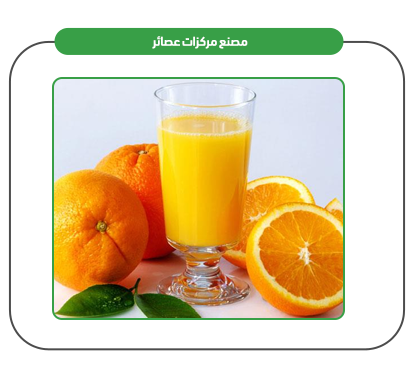
Mashroo3k Economic Consulting Company offers a feasibility study for a juice concentrate production and packaging plant project. The plant produces fruit concentrates needed for juice manufacturing, with the highest profit margin and best payback period. This study is based on a series of in-depth studies of the Iraqi market size, an analysis of local and foreign competitors’ strategies, and the ability to provide competitive pricing.
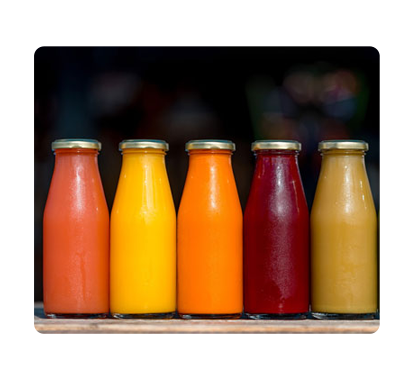
The juice concentrate production and packaging plant offers rapid juice production, using the latest equipment and technologies for separation, concentration, homogenization, and clean-in-place (CIP), in addition to the latest automation applications. This helps increase yields with low production costs and high quality.
Experts from Mashroo3k Economic Consulting Company point out the importance of selecting production lines responsible for the centrifugal process to separate the nectar, pulp, peels, and hard seeds of certain fruits, such as pineapple, guava, nettle, and chicory. Mashroo3k Company therefore provides accurate and up-to-date studies on the most important juice concentrate production and packaging lines, based on Iraqi market data, which contributes to achieving the project’s objectives.
Mashroo3k Economic Consulting provides investors interested in investing in a juice concentrate production and packaging plant project in Iraq with a set of specialized feasibility studies based on up-to-date databases specific to the Iraqi market. This helps ensure the project’s success, achieves the highest return on investment, and provides the best payback period. This is achieved through careful studies of the Iraqi market size, customer preferences, and analysis of the strategies of local and foreign competitors, which helps in providing competitive pricing offers.
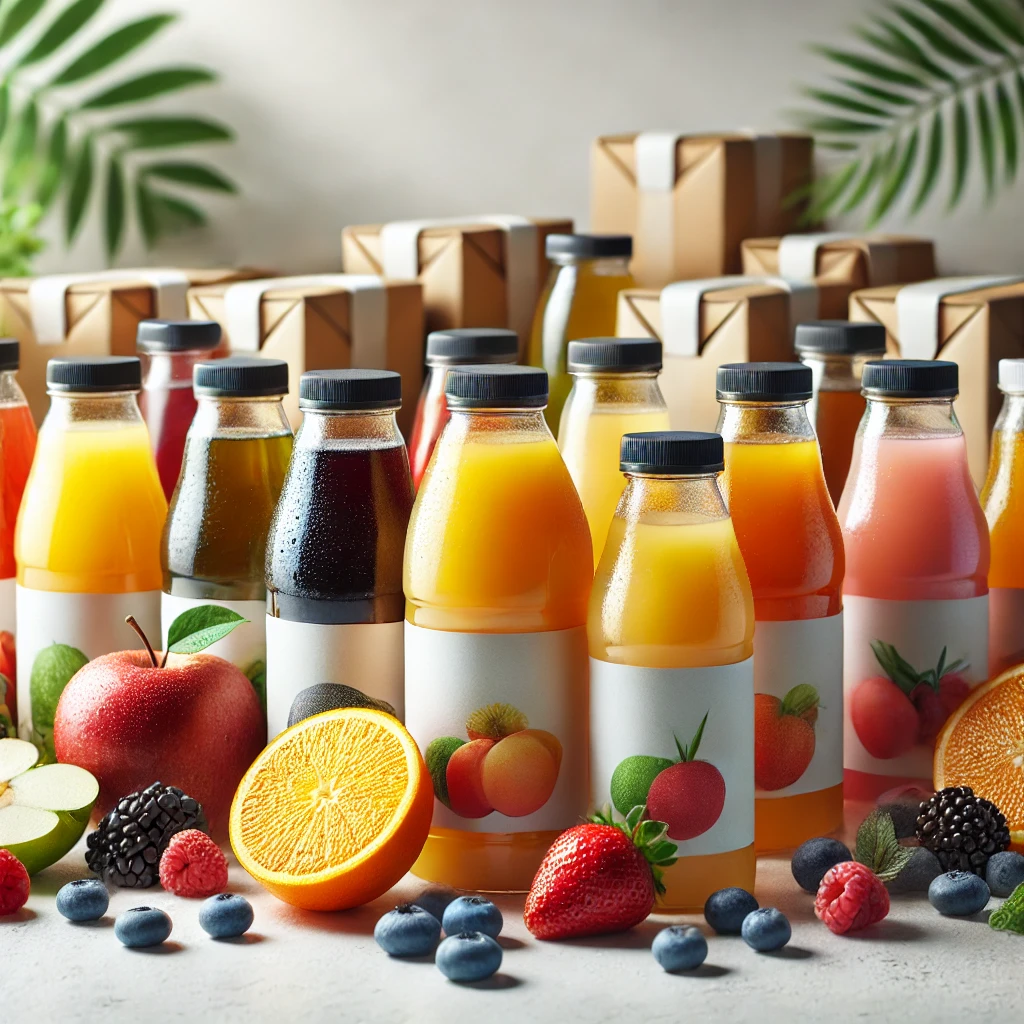
Mashroo3k Economic Consulting Company ensures that a successful juice concentrate production and packaging plant project incorporates the latest concentrate production technology and advanced packaging technologies available in the market. This is achieved by relying on a fully integrated operational team characterized by its ability to innovate and renew. This is in addition to a list of options prepared by Mashroo3k ‘s consultants based on meticulous studies, to enhance the plant’s competitive advantages.
Mashroo3k Economic Consulting Company directs Iraqi investors who wish to invest in a juice concentrate production and packaging plant project, or develop their existing projects, to seek the advice of specialized consultants through Your Project Company, to help them identify the best production, packaging, and packaging lines, as well as the best evaporation, filtration, sorting, and centrifugation equipment.
Mashroo3k Company provides updated data on the advanced technology used in the field of juice concentrate production and packaging, which replaces traditional separation methods with diafiltration technology to clarify and concentrate a variety of fruit and vegetable juices. Centrifugal decanters and separators are also used to adjust the amount of pulp remaining in the juice, according to customer specifications. Special flasks for rapid, continuous, and low-oxidation juicing.
The comprehensive feasibility studies provided by Mashroo3k Economic Consulting Company focus on the project’s ability to expand and grow continuously. They also include a carefully considered plan to develop the factory’s services and products, enhance its competitive advantages, and identify phases for continued expansion and growth. The juice concentrate production and packaging plant offers several services, such as:
Production and packaging of sour lemon and orange concentrates.
Production of plant-based beverages for the vegetable juice industry.

Executive Summary
Study of project services/products
Market Size Study
Risk study
Technical study
Financial study
Organizational and administrative study
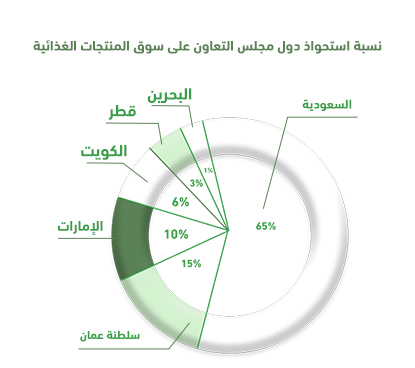
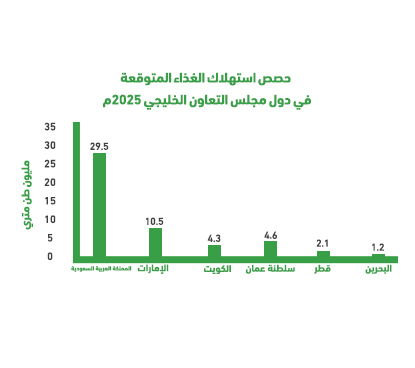
In recent years, the population of the Gulf Cooperation Council (GCC) countries has grown at a compound annual growth rate of 2.4%, reaching a total of 59.5 million people. With this steady increase and openness to global cultures, demand for food products and their markets is increasing. Saudi Arabia accounts for 65.3% (8.8 million metric tons) of the food market, followed by Oman with a 15.4% share, and the UAE with a 9.7% share. Kuwait, Qatar, and Bahrain share 6%, 2.8%, and 0.7% respectively.
GCC countries consume 42.9 million metric tons of food annually.
The average per capita food consumption is 733.6 kg/year.
Among the Gulf countries, Oman has the highest per capita food consumption rate. At 930.8 kg per year, Bahrain had the lowest per capita consumption (622 kg per year).
The GCC countries consume 17.6 million metric tons of grains annually.
Grains alone account for 41.1% of the total food consumed in the GCC, with vegetables coming in second at 15.5%.
Grains account for the largest share of the region’s total imports (56.1%), followed by vegetables (13.1%).
Total grain production in the region has declined at a compound annual growth rate of 8.2% since 2014; however, fish and egg production has increased.
Vegetables, fruits, and dairy products together account for 65.8% of the total food produced in the region.