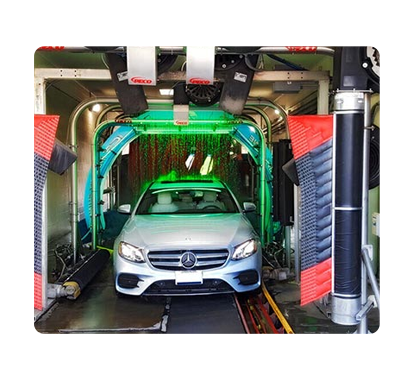
A feasibility study for a women’s car wash is considered a profitable project due to the high number of cars around the world. After women entered the field of driving cars, especially in the Kingdom of Saudi Arabia, it has become important to establish a women’s car wash that provides its services to women.
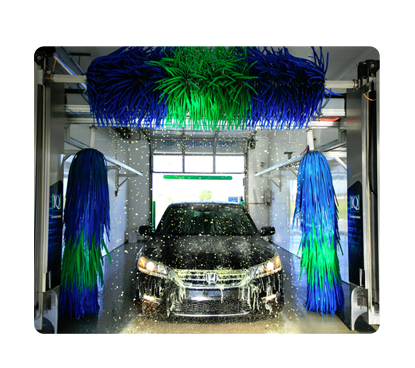
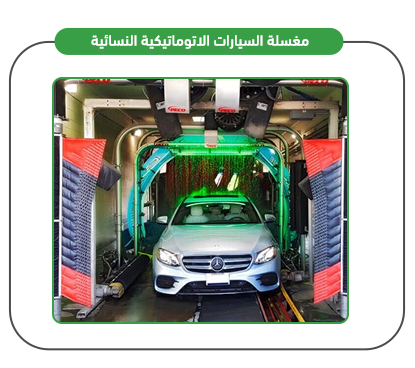
A feasibility study for a women’s car wash is considered a profitable project due to the high number of cars around the world and after women entered the field of driving cars, especially in the Kingdom of Saudi Arabia, it became important to establish a women’s car wash that provides its services to women. The automatic women’s car wash is also less expensive than its counterpart from regular car washes, as it includes a small number of workers, but it includes modern and advanced devices that do (cleaning the car’s furniture from the inside, vacuuming dust, getting rid of stains and bad odors, and cleaning every part of the car with high professionalism and skill, while polishing the car from the outside, washing it, changing oils and lubricating the car). The cleaning operations also depend on the best cleaning materials and the least harmful to the car body to preserve the car’s paint and the color and quality of the upholstery inside it. There is also a special corner inside it for selling car accessories.
Executive Summary
Study of project services/products
Market Size Study
Risk study
Technical study
Financial study
Organizational and administrative study
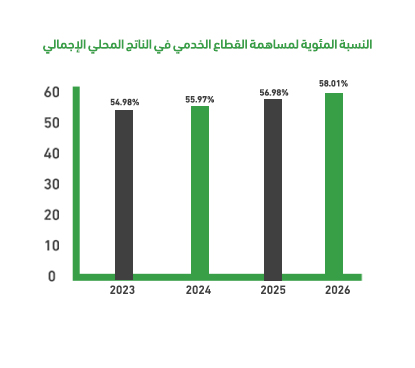
Service sector in GCC countries
According to the macroeconomic theory of sectors, the economy is divided into three main and large sectors: the first; – the sector that is based on collecting raw materials and includes mining companies, timber companies, oil exploration companies, in addition to agricultural and fishing industries. The second sector; – the sector that depends on goods and their sale. such as: (Automotive industry, furniture, clothing trade, etc.). As for the third sector, known as the “services” sector, it is the sector responsible for providing and producing services, relying essentially on intangible things. such as: Entertainment, healthcare, transportation, hospitality, restaurants, etc. This theory states that the more advanced countries become, the more their economies will be based on the third sector, unlike primitive countries, which rely heavily on the primary sector (the United States of America, for example, has a service sector that makes up 85% of its economy).
Kingdom of Saudi Arabia:
The State of Qatar:
State of Kuwait:
United Arab Emirates:
Sultanate of Oman:
Global Service Sector
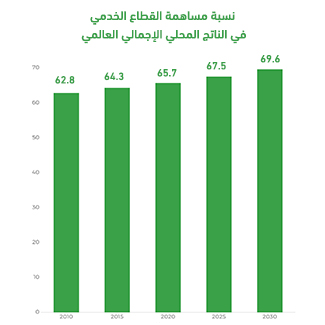
The service sector is the largest contributor to global GDP, accounting for more than three-fifths of the GDP. The sector does not rely on the production of tangible goods such as automobiles and furniture, but rather provides intangible services such as banking, healthcare, transportation, hospitality, entertainment, and more. The value of the sector’s market was estimated at $10,814.49 billion in 2020, rising to $11,780.11 billion in 2021, with the market achieving a compound annual growth rate of 8.9%. After recovering from the effects of the Corona pandemic, global market experts expect the sector’s market to reach $15,683.84 billion by 2025, with the market achieving a compound annual growth rate of 7% in the coming years.