Conducting a feasibility study for an international school is a fundamental step to ensuring the project’s success. It begins by measuring the demand for international education and analyzing market indicators to determine the needs of the target segments. This helps develop a methodology that adopts advanced educational curricula that meet the aspirations of parents. It also helps develop an effective marketing strategy that highlights the quality of education and cultural diversity offered by the school, enhancing its attractiveness and ability to attract students. On the technical level, the study focuses on selecting a strategic location that ensures easy access, along with the availability of a comprehensive infrastructure that supports the educational process. It also includes equipping the school with the latest technologies and modern means that enhance interactive teaching methods. Regarding the financial aspect, it includes a comprehensive analysis of construction and operating costs, along with an estimation of expected revenues to ensure the project’s sustainability and profitable returns.

The International School project represents an advanced educational environment because it offers internationally accredited academic programs, ensuring high-quality education that keeps pace with global developments. This school is distinguished by its ability to develop students’ skills and promote cultural diversity by integrating students of different nationalities into a comprehensive educational environment. It also contributes to preparing students academically and professionally through modern curricula and educational techniques. It is noteworthy that the school provides an integrated educational experience covering all academic levels, from kindergarten to high school. The school pays special attention to extracurricular activities, including sports, arts, and cultural programs, to ensure students’ academic and personal development. To achieve this distinguished level of education, an international school feasibility study is an essential step in evaluating various aspects of the project, starting from studying the needs of the target community, through financial and administrative planning, and finally ensuring the project’s sustainability and the achievement of its investment objectives.
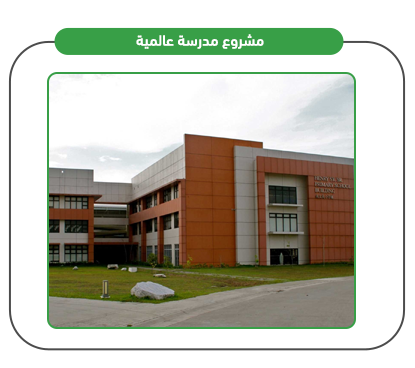
Accredited international curricula
Multilingual education
Extracurricular activities such as sports, arts, and culture
Advanced teaching technologies
Academic support programs
Advisory and educational services
Modern and advanced facilities
Student exchange programs and trips

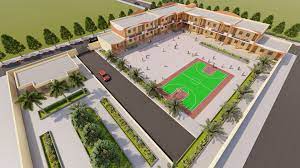
Accredited international curricula that meet global standards.
Comprehensive development of student skills.
A multicultural learning environment.
Highly qualified and competent faculty.
Using modern educational technologies.
Extracurricular activities that enhance personal capabilities.
Modern and fully equipped facilities.
Preparing students for international universities.
Executive Summary
Study of project services/products
Market Size Study
Risk study
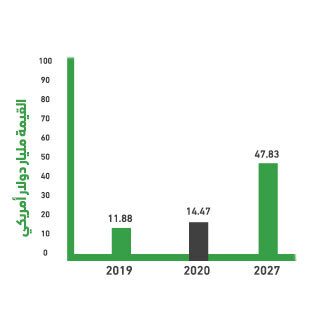
The Kingdom of Saudi Arabia is the largest Gulf country in terms of spending on education, spending approximately 25% of its general budget on the education sector.
Total education allocations in the Kingdom of Saudi Arabia for the academic year 1437/1438 AH (1997-1998) amounted to 211,836 million riyals.
The total number of students in the Kingdom at the primary, intermediate, and secondary levels reached 7,277,317, representing 22% of the Kingdom’s population.
The total number of students in the primary level reached 3,734,692 in 2016, with males accounting for 51%.
The total number of students in the intermediate level reached 1,682,509, with males accounting for 51.8%.
The total number of students in the secondary level reached 1,860,116, with males accounting for 51.7%. The Makkah and Riyadh regions accounted for 48% of the number of students in the Kingdom of Saudi Arabia in 2016, with 27.9% for the Makkah region and 20.1% for the Riyadh region.